On March 18, 2020 Community Food Funders organized a quick-response video meeting so that members could listen to nonprofits and local government officials about how the current crisis is affecting food distribution and access in NYC. You can view the notes here or watch a recording of the call below.
As a result of this initial call, CFF hosted recurring call for funders only that continued for three months.
About 50 funders joined the main part of the call to listen to a panel composed of:
- Kate MacKenzie, NYC Food Policy Director
- Marcel Van Ooyen & Michael Hurwitz, GrowNYC
- Dennis Derryck, Corbin Hill Food Project
- David French, Lenox Hill Neighborhood Houses
- Greg Silverman, West Side Campaign Against Hunger
- Melony Samuels, Bed Stuy Campaign Against Hunger
Of course, many of us know that there are big food supply chains in the government and private sector, but the focus of this conversation was the nonprofit sector, which feeds hundreds of thousands of people in the region. This includes:
- Food distribution projects (farmers markets, wholesale food distribution, food boxes, farm-to-plate and related projects)
- Institutional meal providers (senior centers, community centers)
- Emergency food networks (soup kitchens, food pantries, meals-on-wheels).
In addition to hearing from nonprofit leaders, the call allowed foundation staff to share strategies and resources they were offering in response to the current crises, and to amplify what they are hearing from their own grantees.
What did we learn about how the economy-wide disruptions are affecting people?
- All nonprofits are feeling the pressure of reduced cash flow. Fundraising events are being cancelled.
- Volunteer hours are limited, sites are less available, and word is still getting out about new feeding projects, so the utilization is growing daily but there are concerns about meeting full demand.
- All the earned revenue models that philanthropy has supported for the last 10-20 years to create sustainable food distribution chains are now drying up because clients/customers are staying home, markets are closing, institutions shutting down, etc.
- Our responses will have to be flexible and sustainable, we can’t act as if this is the last disaster we have to be prepared for.
- Foundations are making special accommodations during this time. Such steps include: flexibility with grant reporting and deliverables, increasing the payout rate beyond the traditional 5%, shifting all funds to general operations, automatically increasing grant amounts and/or extending grant years, and more.
But, luckily all this food still exists! So in addition to regular cash flow issues that need attention, there are also pivots and changes that nonprofits have to make. For example: there’s produce that used to go to a senior center to turn into meals, but that center is now closed. Or there’s food for distribution at a farmers market that can’t sustain it anymore. This leaves the pressing question: how can we still get that food to the people it was intended to?
Also, there is a challenge facing organizations who will have to repurpose their resources to meet the need.
- Can produce that was going to meal preparation now be boxed and distributed in high need areas?
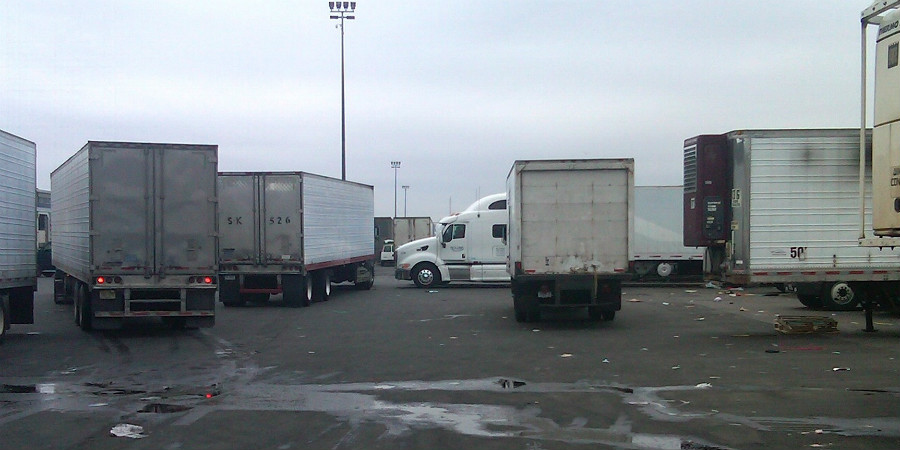
- Can trucks that are no longer needed for regular deliveries be repurposed to help the City distribute all the meals they now needed? (In part because schools are closed and other places where people get food are no longer operating as they normally would).
- Many small businesses that distribute food operate on small margins. What sort of assistance will they need to be sustainable while they become part of the front-line response to the current state of the city?
We didn’t have answers to all the questions or responses to the many challenges that were identified. But we did share resources that are specific to food access in philanthropy (the list is now available online and will be updated periodically).
About 30 people stayed on for a highly engaging funder-only live conversation. One agreement that emerged was to hold a weekly call for funders at least for the next few weeks as people formulate their responses to the current need.
For now, Community Food Funders will continue to collect resources to share and will help connect grantees and funders and food funders to others funders. Please reach out to us with your questions and resources to share so we can continue to support a strong response from food funders to the challenges ahead.
In the mean time, here are some steps being taken by local foundations
- Converting all restricted to general ops, and lifting all reporting requirements
- Automatically adding an additional year to everyone’s grant
- Providing subscriptions to Zoom for grantees, and virtual office hours for grantees to check in with funders
- Maintain grant levels as is moving forward, instead of capping at a 5% payout regardless of what happens to the endowment during an economic downturn
- Next grant cycle follow discretionary protocol to ease application red tape, and general flexibility around deliverables and reporting