
Philanthropy’s Role in Building a Healthy Sustainable Food System in New Jersey (3/29)
driving environmental sustainability, corporate stewardship, and ethical governance for small farms in New Jersey.
driving environmental sustainability, corporate stewardship, and ethical governance for small farms in New Jersey.

Street vendors and food delivery workers are essential to the New York City food system, but since long before the pandemic, the day-to-day realities of these essential workforces were largely invisibilized. In 2021, street vendors and food delivery workers took to the streets and organized to win major policy changes for increased worker rights. Join us for this virtual briefing, where funding organizations will hear from representatives of the Street Vendor Project and Worker’s Justice Project’s Los Deliveristas Unidos, well as a funder supporting both organizations. Learn about the important yet often overlooked role these workers play in our urban food ecosystem, the core elements of successful and ongoing campaign strategies, as well as the upcoming policy changes street vendors and delivery workers are organizing to achieve in 2022 and beyond.

On January 26th, CFF partnered with Northeast Sustainable Agriculture Working Group (NESAWG) to host a webinar titled, A Regional Imperative: Making The Case for Regional Food Systems. In it, authors Kathy Ruhf and Kate Clancy present an overview and key findings from their new report of the same name, which updates and greatly expands on the authors 2010 working paper, It Takes A Region.

Although the term “regional food system” is used more frequently these days, regional food systems are inadequately understood and valued. A Regional Imperative: Making the Case for Regional Food Systems, a new Northeast Sustainable Agriculture Working Group (NESAWG) report by Kathy Ruhf and Kate Clancy, takes a comprehensive look at regional food systems and makes a compelling case for their importance in food systems change work. Clancy and Ruhf are not new to this topic. This report greatly expands their 2010 NESAWG working paper: It Takes a Region. As two of NESAWG’s founders, they have championed regionalism and regional food systems as core to NESAWG’s work for over three decades. Join CFF on January 26th when the authors will present the key concepts of the report, along with examples from the field. Ruhf and Clancy will distill the material into digestible “take-aways” for food system practitioners, educators, policymakers, funders, researchers and advocates.

On December 1st, CFF partnered with Engage New York and Neighborhood Funders Group to host an event titled, For Us, By Us Farm-Based Education: Land, Language, and Liberation. The session brought together three farm-based education programs in New York State that are all rooted in culture and community, and designed specifically to serve the population that its instructors and organization are representative of: the Akwesasne Mohawk community for Akwesasne Freedom School; low-income BIPOC communities for Farm School NYC; and the queer community for Rock Steady Farm.
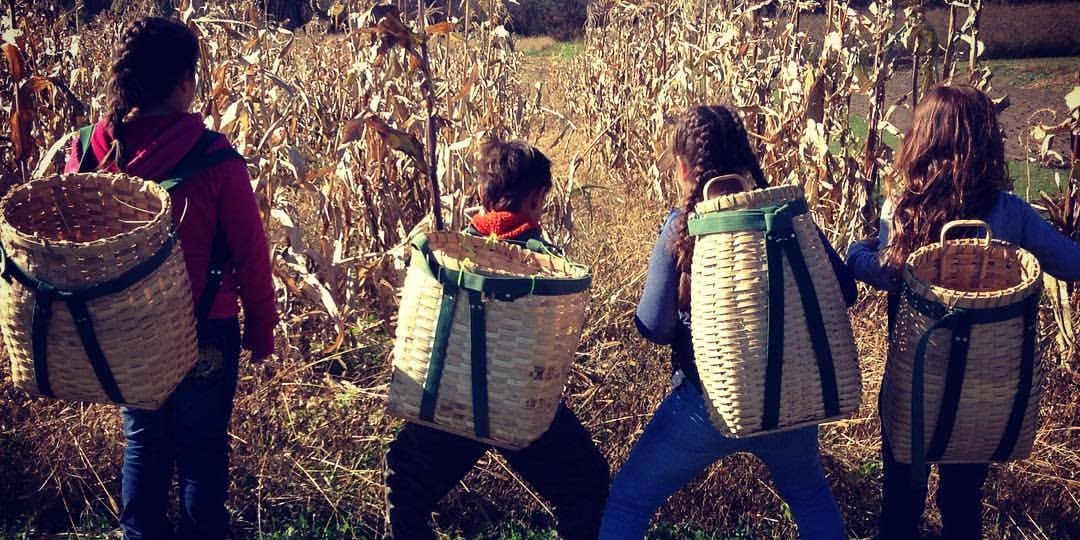
Join CFF to hear from three educational programs that are intentionally rooted in community and culture to flip this dynamic on its head. Food and economic sovereignty is necessary to address the systemic inequities their communities suffer — the Akwesasne Mohawk community for Akwesasne Freedom School; low-income BIPOC communities for Farm School NYC; and the queer community for Rock Steady Farm. These organizations share an insistence on curricula defined, developed and taught for their communities, by their communities. They are committed to increasing their communities’ autonomy, agency and representation in farming and land stewardship, and they know the harm that can happen when those efforts are led by organizations and individuals who don’t share their culture or relate to their lived experiences.